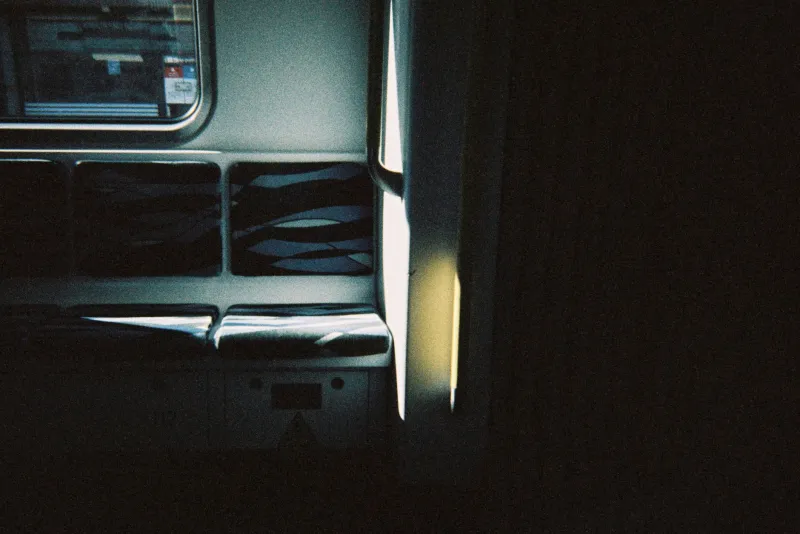
The Silence After the Sky: When Bonfire Night Leaves You Flat

There’s a particular kind of quiet that lands on 6 November. The bins are still full of spent fireworks, the pavement has that faint burnt-paper smell, and the group chat is full of blurry photos of someone’s cousin holding a sparkler. Then it’s Monday, or Tuesday, and the sky is just… sky again.
For plenty of people, Bonfire Night is a lovely bit of communal noise: wrapped up warm, watching the local display, oohing at the big gold one, queuing too long for a hot chocolate. But for others — anxious types, trauma survivors, people who find loud and unpredictable environments draining — the aftermath can feel oddly flat. Not necessarily dramatic. Just a bit off. A bit hollow. As though your nervous system has been holding its breath since the first rocket and has only now noticed.
If that sounds familiar, this isn’t a diagnosis or a big red flag. It’s just a thing that can happen. And it’s worth talking about gently.
The body doesn’t know it was only a display
Fireworks are designed to be startling. That’s the point. The crack, the whistle, the sudden bloom of light — they’re little controlled explosions, and even when you know they’re coming, your body may still register them as something to brace against.
For some people, that bracing is half the fun. For others, it’s a low-level stress response that runs for hours. You might spend the evening telling yourself you’re fine, only to find that the following morning you’re irritable, tearful, knackered, or strangely numb. Maybe you slept badly. Maybe you feel like you’ve been to a loud party even though you left at 8.30pm.
There’s also the social side. Big communal events often come with an unspoken script: you should enjoy this, you should stay for the finale, you should have a nice time. If you didn’t — or if you did, but it cost you more than you expected — it can be hard to admit. The gap between “festive fun” and “my nervous system is now hiding under the duvet” can feel a bit embarrassing. It isn’t. It’s just a mismatch between the event and your needs.
The quiet can feel stranger than the noise
This is the bit people don’t always mention. When the bangs stop, the silence can be its own kind of loud. If you’ve been on high alert, even mildly, the sudden drop can leave you unmoored. Some trauma survivors describe this as waiting for the other shoe to drop. Anxious brains are often very good at filling a quiet room with questions.
And then there’s the wider comedown. Bonfire Night is one of those events that arrives with a big build-up — adverts for displays, school chatter, supermarket stacks of parkin and sparklers — and then vanishes overnight. The next day, the world has moved on. If you’re already feeling low, that contrast can sting. It’s a tiny, seasonal version of the post-holiday slump, except with more damp leaves and fewer fairy lights.
You don’t have to make it into a crisis to take it seriously. A post-event dip is allowed to just be a dip. You can name it without turning it into a project.
Small ways to land back in your body
When you’re coming down from a lot of input, the goal isn’t to force yourself back to normal. It’s to reduce the noise a bit and let your system catch up. Here are a few gentle options — pick one, not all of them.
Lower the input for a day. If you can, keep things quiet. Fewer notifications, fewer screens, a podcast you’ve heard before rather than a new true-crime series. Wear headphones without anything playing if the world feels too scratchy. Draw the curtains a bit earlier. Make a cup of tea you actually sit down to drink.
Name the dip. Sometimes the most useful tool is a plain sentence: “I’m a bit flat after Bonfire Night. That makes sense.” You don’t have to explain it to anyone else. Naming it can stop the feeling from becoming a mystery, and mysteries tend to grow.
Give yourself permission to skip the highlights reel. You do not have to watch everyone else’s fireworks videos, scroll through the display photos, or join in with the “wasn’t it brilliant?” chat. If social media is making the contrast feel sharper, mute the group for a day. This isn’t bitterness. It’s just protecting a small bit of bandwidth.
Do a five-minute sensory reset. Warm water on your hands. A heavy blanket. A slow walk to the corner shop and back, noticing the pavement rather than the sky. Anything that gives your body a clear, gentle signal: we’re here now, and it’s quiet.
Tell one person, if it helps. You don’t need a long conversation. A text saying “I think I’m a bit wiped out after last night” can be enough. If you live with someone, you might ask for a low-demand evening: no big decisions, no telly at full volume, beans on toast is fine.
If the quiet feels heavier than that
Most post-event dips ease off within a few days, especially once you’ve had some sleep and a bit of calm. But if you’re still feeling very low, very anxious, or unable to settle for more than a week or two, it’s okay to ask for help. A chat with your GP is a reasonable next step. If you’re in distress and need to talk, the Samaritans are available on 116 123, free, at any time. Mind also has good, plain-English information about anxiety and trauma responses.
Bonfire Night is one evening. Your nervous system doesn’t always know that. So if the silence afterwards feels strange, heavy, or just a bit much, treat it kindly. You don’t have to relight the sky to prove you had a good time. Sometimes the most sensible thing to do is let the quiet be quiet, put the kettle on, and give yourself a day to come back down to earth.