After the Sorry: What to Do With the Guilt of Cancelled Plans
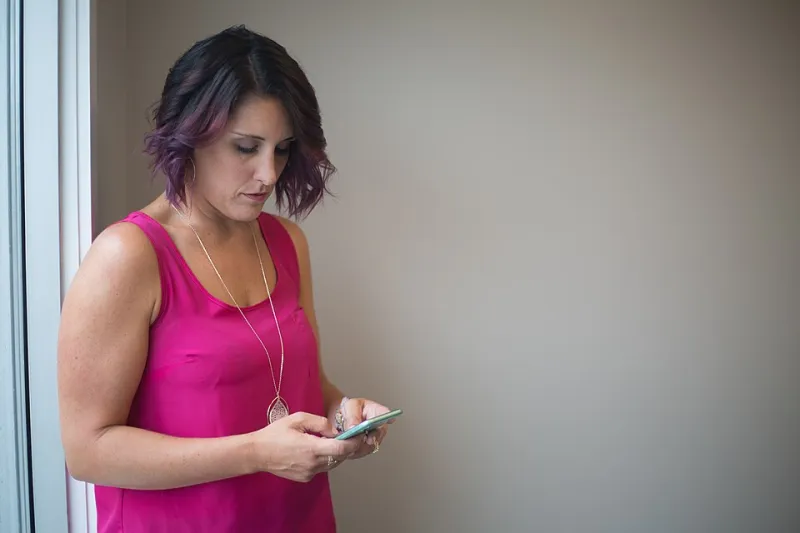
Photo: Kristin Hardwick, CC0, via Wikimedia Commons
The message sits in the drafts for ten minutes. You type sorry to be a pain, delete it, type it again. You are cancelling plans because your mental health is not up to it, and already you are apologising for existing too loudly. The relief lasts about thirty seconds. Then the guilt arrives.
Cancelling plans is often treated as a small social failure. In the UK, we are very good at the pre-emptive apology. We say sorry before the actual reason. We say I'm fine when we are not. We make plans weeks in advance and then feel trapped by the fact that we are not the same person we were on a Tuesday in October.
Why cancelling can feel shameful
Many of us have learned that being reliable equals being a good person. Cancelling can feel like breaking a contract. If the reason is visible, a broken leg or a sickness bug, people tend to accept it. When the reason is mental health, we often feel we need a more respectable excuse. So we over-apologise, over-explain, or push through and make ourselves worse.
Shame says you have failed someone. A kinder reading says you have made a decision about limited energy. Both can be true at once: you can care about the impact on someone else and still need to cancel. The guilt is real, but it is not a moral verdict.
The guilt is not a debt
One of the most unhelpful ideas we absorb is that rest has to be earned and repaid. Miss a night out, and you owe a coffee. Cancel twice, and you are in social arrears. This turns friendship into a ledger and rest into a transaction. It also assumes your energy is a fixed moral quantity rather than a human limit that moves around.
Rest is not a debt. Neither is saying no. You are allowed to be a person with needs, even when those needs are inconvenient for a group chat.
Scripts for cancelling without over-explaining
You do not need a dramatic excuse. You need a clear message. Keep it short, send it early if you can, and avoid promising five alternative dates when you are already exhausted.
For a casual plan: 'Hi [name], I'm really sorry but I need to cancel tonight. I'm not up to it and I'd rather be honest than push through. Can we find another time?'
For a close friend: 'I'm having a rough mental health day and need to stay in. I feel bad cancelling, but I wanted to let you know rather than disappear. Rain check?'
For rescheduling: 'I still want to see you. I'm not able to do [day], but would [alternative] work? If not, no pressure. I'll suggest something when I have more capacity.'
For a group: 'So sorry everyone, I'm going to sit this one out. Nothing personal, just low on capacity today. Have a lovely time and send my love.'
If you struggle with the word sorry, try: 'I'm not able to make it tonight. I'm sorry for the late notice, but I wanted to be honest.' That apology is for the practical inconvenience, not for being a burden. You can also use: 'I'm low on capacity this week. I'm going to pause this plan rather than cancel on the day.'
A five-minute energy audit
Before you beat yourself up for cancelling, or before you say yes to something else, try a simple energy audit. It is not about optimising your life. It is about noticing what is already happening.
Write down the commitments in your week. Put them into three rough columns: energising, draining, neutral. Rate each one from nought to five for how much capacity it asks of you. Then ask three questions. Which one could move to another week? Which one could shrink, even slightly? Which one needs an honest conversation?
If everything looks draining, that is not laziness. It is data. If one small thing is energising, protect it where you can. The point is not to become a machine that schedules rest perfectly. The point is to see your limits before they make the decision for you.
Rescheduling without promising too much
When you reschedule, offer a realistic window. If you are not sure, say: 'I'll message you when I have capacity.' That is kinder than a date you will dread. Under-promise gently. You are not letting anyone down by being honest about what you can do.
If you feel bad later, a brief message can help: 'Thanks for understanding. I value you and I'm glad we can rearrange.' You do not need to write an essay. Repair is usually smaller and warmer than shame expects.
When guilt is more than a passing feeling
If guilt about cancelling is constant, or if you find yourself withdrawing from people altogether, it may be worth talking to your GP or a mental health service. In the UK, Mind has information and support options. Samaritans are on 116 123, free, 24 hours a day. Shout offers free text support on 85258. If you are in immediate danger, call 999.
At Lamentally Sound, we are not here to tell you to cancel everything and live in a blanket fort. We are here to say that rest is not a debt, and honesty is not a burden. You can be a good friend and still have limits. You can cancel a plan and still be someone people are glad to know.